
Addicted to Nostalgia-Core
It's not NOT about the JNCO jeans.
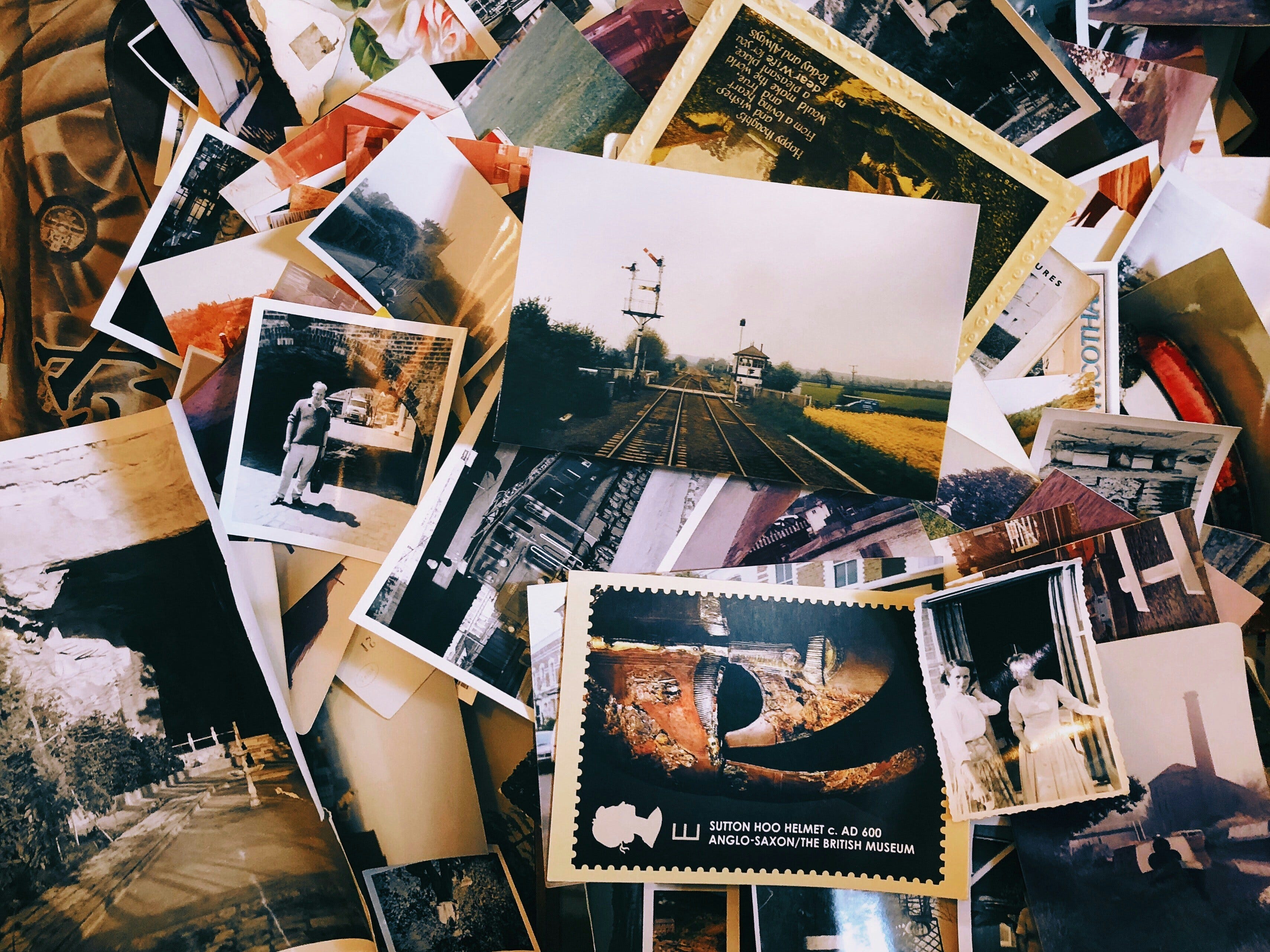
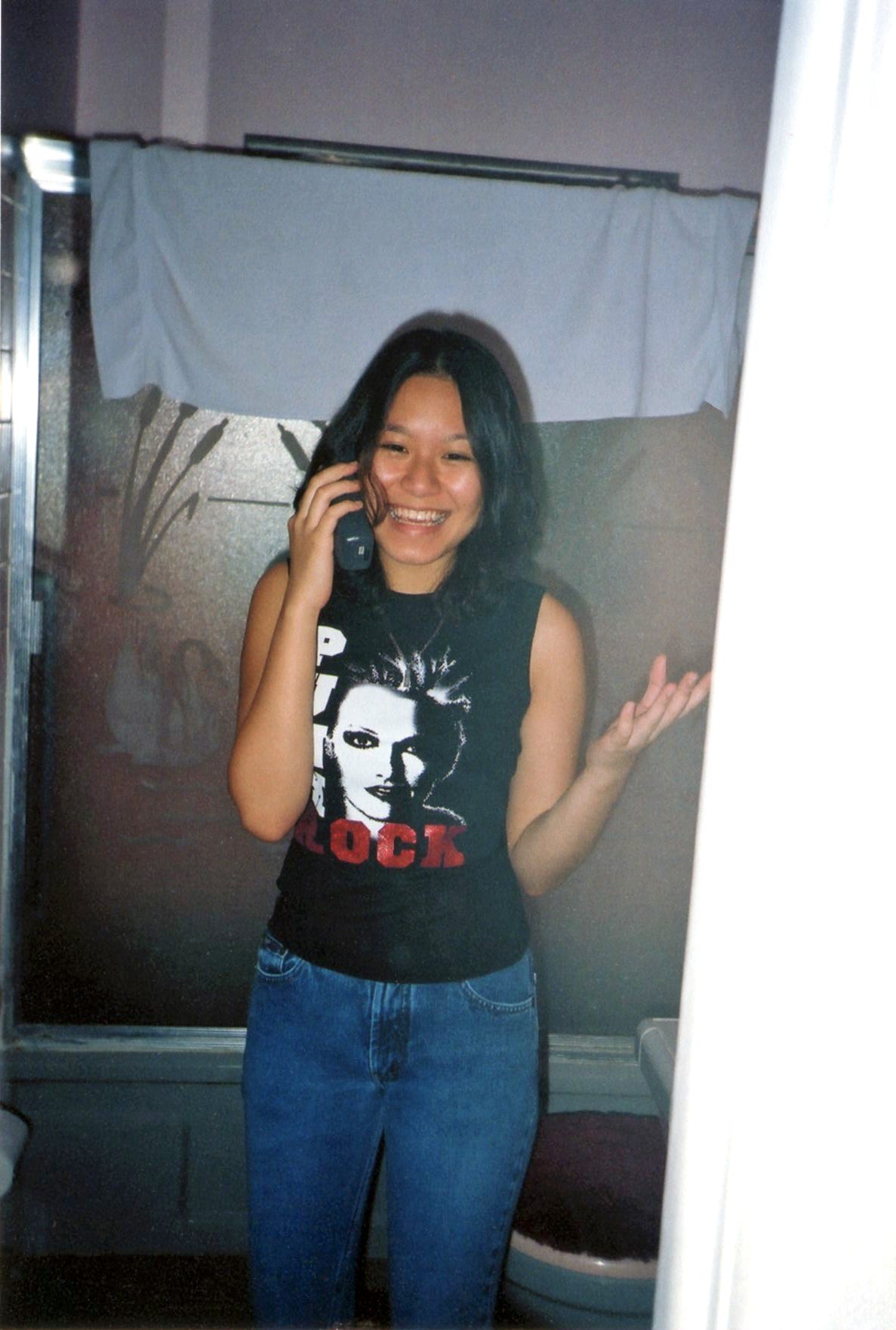
The turn of the century, in brief: rhinestones hanging from bellybuttons, gritty sand inside Old Navy flip-flops, baskets of fried conch, diesel fuel mixed with Hawaiian Ginger body mist, Natasha Bedingfield on the top-20 VH1 countdown, platformed Steve Maddens, scantron tests, textbooks that smell like toe jam, Italian sodas at Books-a-Million, movie theaters that charged $3 for a matinee, the hard, polished wood of a hostess stand under my palm—I could go on for, literally, hours. It’s not exactly the Belle Epoque, but my Y2K sensations of yesteryear can feel stronger and more present to me than things that happened just yesterday.
I’ve heard people ask that speculative and revealing question: What’s your real age? They’re asking about the age inside your heart, the trapped person who is still frozen in amber, the one who sometimes glances around them as if to say: How did I end up here? A part of me will always be caught in that flurry of sunscreen and salt and boredom of my sixteen-year-old self. Not because I peaked (I sure hope not!), but because that was the inimitable time of my life where everything seemed incredibly urgent and, in the same moment, endless and predictable. Excitement and safety, held inside a clutch of days that passed all too soon. I don’t think I’ve managed to capture that intoxicating contrast since.
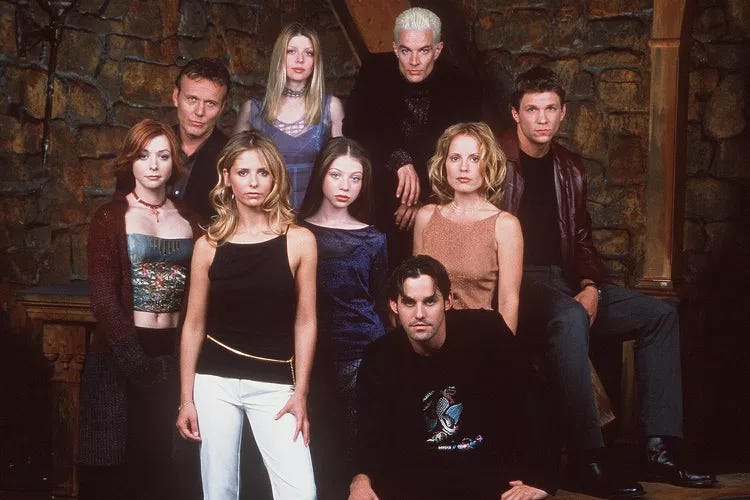
These days when I scroll, I listen to influencers referring to Y2K fashion as vintage (it is, inarguably, but the label still smarts), trotting out the baby tees and zigzag hairbands I once wore. Disposable cameras that once retailed for pocket change are now repackaged as novelty items, commanding high prices on Ebay, that black hole for nostalgia. The Practical Magic witches are coming back; a revival of Buffy the Vampire Slayer had been, all too briefly, in production. After school, my daughter and I watch Full House together and the sound of the laugh track never fails to catch some buried latch inside, opening me to a loop of memories.
Each time I encounter one of these relics from my teen years, I’m inundated by a wash of warmth quickly chased by a more complex emotion, a niggling doubt. What exactly lies behind my longing? What is it I want to escape so badly? Because, by every account that matters, my life is a very good one. Yet somewhere inside, that sixteen-year-old voice demands: Weren’t we promised more than this? More joy? More safety. But what if my portrait of joy and safety has never been an accurate one to begin with? At the end of the day, I can’t fully trust nostalgia, as good as it feels, because it will always come with its own obfuscations.
It turns out that we’re hard-wired for nostalgia, especially in times of distress or uncertainty. Nostalgic impressions can even be used in pain mediation, regulating our physical and emotional selves. At its best, nostalgia can serve as a much-needed escape or a roadmap back to the people and places that have made us happiest. At its worst, nostalgia is a maladaptive coping mechanism, a mental trap all the more treacherous because it looks so damn pretty.
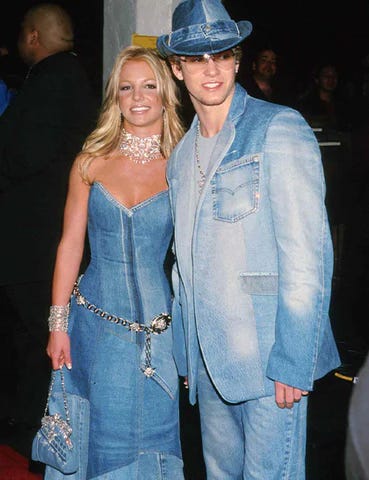
Nostalgia’s danger (see: MAGA movement; see: Tradwife content) rests in its false promises. Nostalgia brushes the past with illusion, filtering the unpalatable impressions away, so all we get is a watery, incomplete picture. Things were hard in every era, even those halcyon Y2K years. No, we didn’t have social media, but we had some intense hallway bullying. Yes, things were more affordable as a whole, but it was more difficult for people who looked like me to buy a house or hold leadership positions. For every moment of excitement and promise in my teenage years, I suffered one of embarrassment and anxiety. Because that’s youth; that’s being a human.
But the desperate wanting for something that never existed—well, nothing’s more human than that.
Our world being what it is, we grapple with the multiplicity of our desires by turning to accessible yet ultimately reductive life hacks that promise to shuffle us back in time. Analog bags in which every item is purchased from an online shop, apps to keep us from looking at apps, laborious hobbies like sourdough that require hours of TikTok tutorials. We’re fighting ourselves every turn of the way. So how to make peace with nostalgia? How to allow it to touch our lives, then recede back to where it belongs? I think of a quote from The Office, uttered by Cornell graduate Andy Barnard: “I wish there was a way to know you’re in the good old days before you’ve actually left them.” Maybe it’s simpler just to say that it’s all “the good old days.” The traffic, the bills, the sweaty walks, the movie nights, the fear, the anxiety, the love, the all-ness of existence. One day, this very moment will, too, be clouded by nostalgia.
Later this afternoon, when my girl and I watch Danny Tanner wrestling with his imminently manageable problems in his huge San Francisco row house, I will be living blissfully in the laugh track of the sitcom, but I will also know that the laugh track is the most clever sort of fiction, the sort that gets added after the fact, a gloss on all we actually lived through.

I read something (from IG and re-posted on a Substack) that middle age is really being 16 and not caring what people think anymore.
I'm 43 in August. I can say, I am still very much the 15-16 year old. In the 90's, I was embarrassed that I still loved being a girl scout that got to go camping and backpacking; now I re-live much of that time (now with PRIDE) with my older son in cub scouts. Devouring magazines like Sassy, Seventeen, and the Delia's catalogue has become listening to fashion/pop-culture podcasts and savoring my print subscription to Vogue. And embracing LONGING while figuring out who you were, thanks to Angela Chase and Felicity Porter, both played by actresses who I still adore watching.
I've been watching Sabrina the Teenage Witch, and man, that hallway bullying...